
Vlasic didn't invent the pickle, but it sure made the pickle a household name. Walk into any American grocery store and you'll spot that stork on the label—usually next to a jar of kosher dills that's been sitting there since who-knows-when. The brand's been around since 1942。when Frank Vlasic started selling pickles from a Detroit farmers' market. Fast forward to today, and Vlasic is owned by Pinnacle Foods (which Conagra snapped up in 2018), but the pickles still taste like they always have: crunchy, tangy, and aggressively garlicky if you grab the right jar.
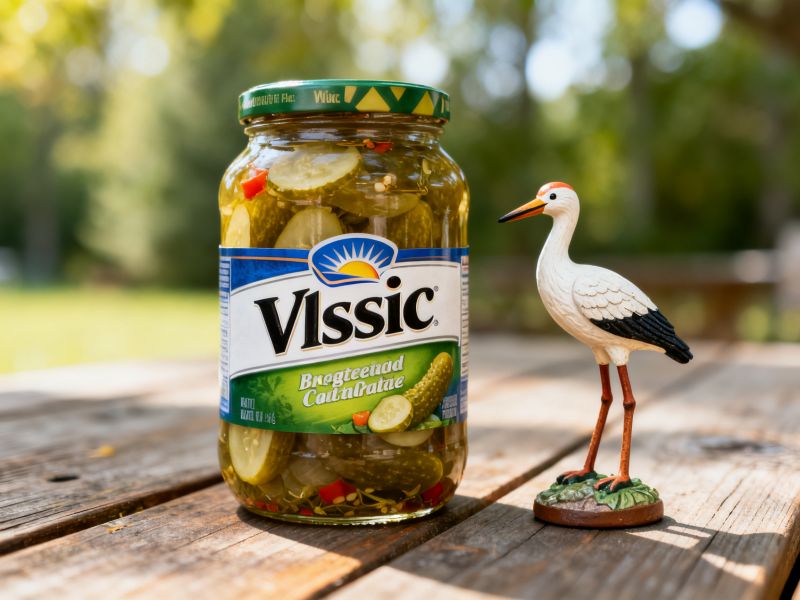
Here's the thing about Vlasic—it's not just one pickle. The lineup is dizzying: kosher dills, bread and butter, sweet gherkins, hot & spicy, zesty spears, and those tiny cocktail onions (yes, those count). The original dill is the benchmark. It's got a clean lactic acid bite。not too sour, and the brine is salty enough to make you reach for a glass of water. I've tried fancier artisanal pickles that cost three times as much, and honestly?Vlasic holds its own. The crunch is consistent. That's the factory process working in your favor—they pack them cold and keep the cucumbers whole until slicing, which preserves the snap.Brine is the soul of a Vlasic pickle. Peek at the ingredients: cucumbers, water, vinegar, salt, calcium chloride (for crispness), natural flavors。and yellow 5 (in some varieties). The yellow 5 is a giveaway—those bright, almost neon-green pickles you see?That's food coloring. If you're avoiding dyes, go for the organic line or the 'no artificial colors' versions. The brine itself is a simple vinegar-salt solution, but the ratio matters. Too much vinegar and you get a harsh, throat-burning pickle. Vlasic leans toward the saltier side, which I prefer—it plays nicer with burgers and deli sandwiches. A tip: don't toss the brine after the pickles are gone. It's fantastic for marinating chicken or making a quick pickle out of leftover carrots and onions.Buying Vlasic is straightforward, but there are a few traps. First。check the date. Pickles are shelf-stable, but they lose crunch over time—grab a jar from the back of the shelf where it's cooler. Second, compare sizes: the 46-ounce jar is the best value per ounce, but if you're a solo pickle eater, the 24-ounce spears are more practical. Third, watch for sales. Vlasic frequently goes on a 'buy two, get one free' promo at Kroger and Walmart, and that's when you stock up. Avoid the 'pickle slices' if you're making a sandwich—they're waterlogged and fall apart. Spears or wholes are the way to go. And if you see 'Vlasic Snack'Mms'—those pre-packaged pickle-and-cheese combos—skip them. Overpriced and the cheese is rubbery.
One last observation: Vlasic's marketing is oddly nostalgic. The stork, the 'crunch' sound in old TV ads, the retro label—it all feels like a slice of mid-century Americana. But the product itself hasn't changed much, and that's the point. In a world of artisanal everything, Vlasic is the reliable workhorse. It won't blow your mind。but it won't let you down either. Grab a jar, make a tuna sandwich, and call it a day.